7
Gennaio
2022

borse ventiquattrore

Le migliori borse ventiquattrore per il tuo rientro in ufficio


C’erano una volta le ventiquattrore, quelle borse che – per definizione – contenevano tutto l’occorrente per una piccola trasferta di lavoro della durata di un giorno, appunto, e che, nel tempo, sono diventate l’accessorio imprescindibile degli uomini d’affari di tutto il mondo. Espressione di un modo tutto personale di percepire l’abbigliamento professionale, la ventiquattrore classica, in pelle nera o marrone, è il riflesso di un rigore e di una precisione assoluta, che ancora oggi accompagna i business manager di tutto il globo nella loro scalata al successo. Preparandosi al back to work dopo le festività natalizie, ecco le borse ventiquattrore da comprare ora su Florence Leather Market.

Cartelle da lavoro per tutti

Una borsa che unisce estetica vintage con le necessità pratiche e funzionali di oggi. In morbida pelle marrone, l’accessorio presenta un ampio scomparto centrale, suddiviso all’interno in due comode tasche, di cui una imbottita per il laptop e una con chiusura a zip per oggetti di valore, più due piccoli fori portapenne. Il rivestimento esterno impermeabile è accompagnato da una particolare tracolla: larga e imbottita, riduce la pressione sulla spalla, ed è studiata per offrire la massima comodità.

Affare fatto!

Classica ed elegante, la borsa ventiquattrore Daniele impiega morbida pelle blue Jeans per il rivestimento, la cui tonalità è ripresa dai manici e dalla tracolla in tessuto. L’esterno è multitasche, con due piccole tasche con e dall’altro lato un’ampia tasca centrale. Suddiviso in scomparti per penne, smartphone e documenti, l’interno è perfettamente organizzato per trasportare il nécessaire da ufficio nel massimo ordine.

Briefcases bag

A genderless masterpiece

Giulia MG è un masterpiece di Florence Leather Market, caratterizzata da una costruzione rigida, una doppia maniglia e la tracolla amovibile e regolabile. Declinata in diverse tonalità è l’accessorio professionale sia per uomo, che per donna grazie al suo irresistibile fascino genderless. Rappresenta l’espressione esteriore della propria identità anche sul posto di lavoro.

L’investimento migliore

Eccellenza che si ripete, tornando di anno in anno nei guardaroba di workwear, la borsa ventiquattrore di Jour è l’accessorio del lavoratore metropolitano, che all’estetica antepone sempre e comunque il comfort. In pura pelle color terra arida, il modello è arricchito da due tasche interne ed esterne che favoriscono un’organizzazione ottimale, mentre manici e tracolla in pelle di vacchetta sono il sigillo finale su una creazione di alta qualità.

BEST OVERALL

Un accessorio distintivo è fondamentale per valorizzare quelle spesso anonime mise professionali che sottostanno a un dress code da lavoro. Per questo, investire in una ventiquattrore Rolando è sintomo di volontà spiccata di emergere dalla massa senza per questo strafare in eccentricità. In pelle nero e con profili e manici di pelle di vitellino in ton sur ton, è un design essenziale e ricercato dallo charme intramontabile.

Questa borsa fa sul serio!

Il modello Christopher nasce dalla volontà di creare una borsa da lavoro, spaziosa, comoda e bella. Una borsa versatile, sia per le giornate in ufficio, sia per un caffè al bar. Infatti, dettagli quali la pelle pregiata, le piccole borchiature laterali e le molteplici zip, rendono la borsa ottimale anche nel tempo libero. Da comprare adesso e usarla per tutta la vita!

All’interno della nostra selezione potrai trovare l’accessorio moda adatto al tuo rientro in ufficio ad un costo estremamente contenuto, grazie alle offerte imperdibili di cui disponiamo quotidianamente. Non aspettare, vieni a scegliere la Business bag per te tante offerte speciali.

7
Gennaio
2022

The Business bag

The best briefcases to make a sharp return to the office


Once upon a time there were briefcases, those bags which – by definition – contained everything needed for a small business trip lasting one day, and which, over time, have become the essential accessory for men of ‘ business around the world. A completely personal expression of pressure, the professional clothing, the classic briefcase, in black or brown leather, is the reflection of a rigor and absolute precision, which still today accompanies business managers from all over the globe in their climb to the successor. Preparing for back to work after the Christmas holidays, here are the briefcase bags to buy now on Florence Leather Market.

Business deal

A bag that combines vintage aesthetics with today’s functional needs. In soft brown leather, the accessory has a large central compartment, divided inside into two comfortable pockets, one of which is padded for the laptop and one with zip closure for valuables, plus two small pen holder holes. The waterproof outer coating is accompanied by a particular shoulder strap: wide and padded, it reduces the pressure on the shoulder, and is provided to offer maximum comfort.

Done deal

Classic and elegant, the Daniele briefcase uses soft blue Jeans leather for the upholstery, the color of which is echoed by the fabric handles and shoulder strap. The exterior is multi-pocket, with two small pockets with and on the other side a large central pocket. Divided into compartments for pens, smartphones and documents, the interior is perfectly organized to carry the office essentials in the utmost order.

Briefcases bag

A genderless masterpiece

Giulia MG is a Florence Leather Market masterpiece, characterized by a rigid construction, a double handle and a removable and adjustable shoulder strap. Available in different shades, it is the professional accessory for both men and women thanks to its irresistible genderless charm. It represents the outward expression of one’s identity even in the workplace.

Best investment ever

Excellence that repeats itself, returning from year to year in the workwear wardrobes, the briefcase bag by Jour is the accessory of the metropolitan worker, who always puts comfort before aesthetics. In pure dry earth-colored leather, the model is enriched by two internal and external pockets that favor optimal organization, while the handles and shoulder strap in cowhide leather are the final seal on a high-quality creation.

BEST OVERALL

A distinctive accessory is essential to enhance those often-anonymous professional outfits that underlie a work dress code. For this reason, investing in a Rolando briefcase is a symptom of a strong desire to emerge from the crowd without overdoing it in eccentricity. In black leather and with ton sur ton profiles and calfskin handles, it is an essential and refined design with a timeless charm.

Christopher show you mean business

 The Christopher model was born from the desire to create a spacious, comfortable, and beautiful work bag. A versatile bag, both for days in the office and for a coffee at the bar. In fact, details such as the fine leather, the small side studs, and the multiple zips, make the bag perfect even in your free time. Buy now and use it for life!

Within our selection, you will find the fashion accessory suitable for your return to the office at an extremely low cost, thanks to the unmissable offers we have daily. Do not wait, come, and choose the Business bag for you many special offers.


30
Dicembre
2021

Tinture antiche

La storia della tintura

Tinture antiche, come si coloravano i tessuti nelle epoche passate?


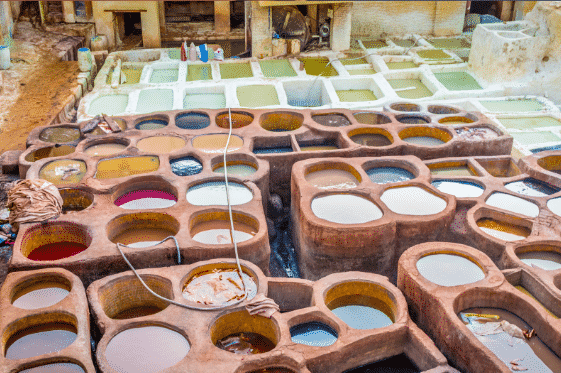
Quella della tintura è un’arte antichissima, nata in India attorno al XXX secolo avanti Cristo, quando le spezie iniziarono ad essere utilizzate, dopo un’attenta e accurata lavorazione, per tingere i tessuti. Da quegli anni ad oggi sono stati fatti innumerevoli progressi: siamo passati da colorazioni naturali applicabili solo a tessuti naturali, come il lino, il cotone e la seta, a tinture chimiche che possono essere utilizzate, sotto forma di bagno liquido – i coloranti sono sciolti nell’acqua nella quale i tessuti vengono immersi.

Ma come è cambiata, nel corso del tempo, la pratica delle tinture? E cosa veniva utilizzato per colorare i tessuti? In questo articolo ripercorriamo la storia delle tinture antiche, guardando ai prodotti naturali che sono stati, nel corso degli anni, i protagonisti di uno dei processi più affascinanti.


La storia delle tinture antiche


Ricostruire in modo dettagliato la storia delle tinture antiche è un’operazione quasi impossibile che necessiterebbe l’analisi chimica dei malmessi brandelli di tessuto che sono giunti fino a noi: quello che sappiamo è che, almeno inizialmente, tra i Greci, i Romani e i Fenici, venivano utilizzati soltanto i colori primari nella loro tonalità più netta poiché non si conosceva ancora il modo per dare vita alle colorazioni intermedie o più tenui.

Tra i primi colori che possiamo identificare con chiarezza vi è la porpora di Tiro, uno dei pigmenti che ha impresso la propria orma sulla storia dell’umanità: impiegata principalmente dai Fenici, i grandi tintori del XV secolo avanti Cristo. Si trattava di una tonalità di rosso brillante e costoso, tanto da diventare il simbolo degli aristocratici e degli imperatori romani.
Per ottenere la porpora di Tiro era necessario un lungo e dettagliato procedimento: il murice spinoso veniva messo a macerare in tinozze in piombo riempiti con abbondante acqua salata, così da ottenere un liquido tendente al giallo il quale, dopo essere stato esposto al sole assumeva il tradizionale e vivido color porpora.
Il costo della porpora di Tiro era però eccessivamente alto, tanto che, col passare degli anni, cadde in disuso, sostituita da imitazioni a basso costo, come il color malva prodotto a Perkin grazie ad un procedimento sintetico.

L’altro colore di estremo pregio era l’Oltremare di Tiro, nato da un procedimento analogo a quello richiesto per la produzione del porpora di Tiro: c’era bisogno, però, di due molluschi diversi, il primo che dava il colore rosso e il secondo che regalava al tessuto una singolare sfumatura bluastra.

Insetti, molluschi, piante e fiori furono, in modo simile a quanto detto sopra, i protagonisti della storia della tintura dei Greci e dei Romani. Sembra, tra l’altro, che possedessero una gamma non troppo limitata di colori, tra i quali il giallo, il blu, l’azzurro e il rosso oltre ai tradizionali bianco e nero.
Per la produzione del colore rosso i Romani utilizzavano un bagno di colore estratto da un insetto, la cocciniglia.
Tutto sommato, però, le tecniche di tintura ed i pigmenti utilizzati rimasero per secoli un vero e proprio segreto. Basta pensare che la corte imperiale cinese pretendeva che nessuno venisse a conoscenza dei segreti di questa arte raffinata e pregiata.

Tintura

L’arte della tintura in Italia


Dopo le crociate, l’arte della tintura dei tessuti arrivò finalmente anche in Italia: a Firenze nel 1400 sorgevano oltre 200 laboratori di tintoria. I primi grandi traffici commerciali recapitarono, poi, in Italia sostanze chimiche rudimentali, utili ad ottenere colorazioni nuove e sempre più ricercate, e macchinari via via sempre più all’avanguardia.
I colori sintetici apparvero, fin da subito, come più convenienti, economici e resistenti, motivo per cui non impiegarono troppo tempo prima di soppiantare i pigmenti naturali. Al tempo, tra l’altro, erano completamente ignorati gli effetti dei colori artificiali sull’ambiente e la loro diffusione travolse completamente prima l’Europa e poi il mondo intero.

Oggi l’arte delle antiche tinture naturali viene sempre più recuperata da piccole aziende locali nelle quali i sapienti artigiani, nel rispetto di una tradizione tutta italiana, danno nuovamente vita, a distanza di secoli, a quei processi naturali di estrazione del pigmento da fiori e piante.
Recuperare le antiche tecniche significa riportare sul mercato, oggi dominato da abiti e colorazioni standardizzate e prive di anima, dare un carattere e un’emozione unica ad abiti e accessori unici ed inimitabili che, grazie ad una colorazione artigianale, acquisiscono un valore senza prezzo.
La storia della pelletteria Made in Italy, con sede a Firenze, si unisce alla lunga tradizione della tintura, tra segreti ed innovazione, dando vita a vestiti e accessori ai quali nessuno saprà resistere.


30
Dicembre
2021

The story of dye

The history of the leather dye


Ancient dyes: how were the fabrics coloured in the past?


Dyeing is an ancient art, born in India around the 30th century BC, when spices began to be used, after careful and careful processing, to dye fabrics. From those years to today, countless advances have been made: we have gone from natural colours applicable only to natural fabrics, such as linen, cotton and silk, to chemical dyes that can be used, in the form of a liquid bath – the dyes are dissolved in the water in which the tissues are immersed.

But how has the practice of dyeing changed over time? And what was used to colour the fabrics? In this article we retrace the history of ancient dyes, looking at natural products that have been, over the years, the protagonists of one of the most fascinating processes.


The history of ancient dyes


To reconstruct in detail the history of ancient dyes is an almost impossible operation that would require the chemical analysis of the ragged shreds of tissue that have come down to us: what we know is that, at least initially, among the Greeks, The Romans and the Phoenicians, were used only the primary colors in their clearest shade because it was not yet known the way to give life to the intermediate or more tenuous colors.

Among the first colors that we can clearly identify is the purple of Tyre, one of the pigments that has imprinted its footprint on the history of humanity: mainly employed by the Phoenicians, the great dyers of the fifteenth century BC. It was a bright and expensive shade of red, so much so that it became the symbol of aristocrats and Roman emperors.
To obtain the purple of Tyre a long and detailed procedure was necessary: the spiny moray eel was put to macerate in lead tubs filled with abundant salted water, so as to obtain a liquid tending to yellow which, After being exposed to the sun it assumed the traditional and vivid purple color.
The cost of Tyre’s purple was too high, so much so that, over the years, it fell into disuse, replaced by cheap imitations, such as the mauve color produced at Perkin thanks to a synthetic process.

The other color of extreme value was the Oltremare di Tiro, born from a procedure similar to that required for the production of the purple of Tiro: there was need, however, of two different molluscs, the first that gave the red color and the second that gave the fabric a unique bluish shade.


Insects, molluscs, plants and flowers were, in a similar way to the above, the protagonists of the history of the tincture of the Greeks and the Romans. It seems, among other things, that they possessed a not too limited range of colors, including yellow, blue, blue and red in addition to the traditional black and white.
For the production of the red color the Romans used a bath of color extracted from an insect, the cochineal.
All in all, however, the dyeing techniques and pigments used remained a real secret for centuries. It is enough to think that the Chinese imperial court demanded that no one should know the secrets of this refined and precious art.

Ancient dyes

The art of dyeing in Italy


After the Crusades, the art of dyeing fabrics finally arrived in Italy: in Florence in 1400 there were over 200 dyeing workshops. The first great commercial traffics delivered, then, in Italy rudimentary chemical substances, useful to obtain new colors and more and more sought, and machinery gradually more and more to the vanguard.
The synthetic colors appeared, from the outset, as cheaper, cheaper and resistant, which is why they did not take too long before replacing natural pigments. At the time, by the way, the effects of artificial colours on the environment were completely ignored, and their spread completely overwhelmed Europe first and then the whole world.

Today the art of ancient natural dyes is increasingly recovered by small local companies in which the skilled artisans, in compliance with an all-Italian tradition, give new life, after centuries, to those natural processes of pigment extraction from flowers and plants.
Recovering the ancient techniques means bringing back to the market, now dominated by clothes and colors standardized and devoid of soul, give a unique character and emotion to unique and inimitable clothes and accessories that, thanks to a coloring craft, acquire a value without price.
The history of Made in Italy leather goods, based in Florence, is combined with the long tradition of dyeing, between secrets and innovation, giving life to clothes and accessories that no one will resist.

21
Dicembre
2021

Come cucire la pelle o l'ecopelle

Makeup for sewing leather or eco-leather


Makeup for sewing leather or eco-leather


Italy, in addition to having a rich artistic, architectural, and cultural heritage, is celebrated all over the world, also for handicrafts, representing one of the strengths of the national economy.

Among the Italian regions, the most appreciated for its ancient craft tradition, especially at international level, is Tuscany. In this region, in fact, you can still admire the historic workshops of master craftsmen, where you can see how their skilled hands created these wonderful products.

Between tradition and innovation, Tuscan craftsmanship is considered one of the most prestigious and destined to remain for a long time. Its products, in fact, have always been considered of excellent quality and unique.

The masters of craftsmanship, also protagonists of the many exhibitions in the Tuscan territory, range from ceramics to iron, from paper to glass, from textiles to leather goods.


Handicraft products in leather and eco-leather

In Tuscany there are many shops dedicated to leather and leather processing, particularly appreciated to produce suitcases and briefcases, wallets, belts, and bags. In addition, there are many schools dedicated to leather processing, which create high quality craftsmen.

The method of manufacturing leather goods has very ancient origins. It dates back, in fact, to the distant 1200, through the development of the two very sophisticated techniques so-called tanning and plugging by hand. Over time, the art of tanning has been enriched with increasingly innovative and sophisticated techniques, which have made the leather accessory a high-quality product.


Methods of stitching the skin

Leather products are very special especially for their visible seams. These, however, can be ruined with the passage of time, due to rubbing or weathering, leading to the breaking of the wire, even the best. The sewing technique used could however slow down this process.

Even the skin can be sewn either by machine or by hand. It is obvious that a hand-sewn product, in addition to having a higher price, certainly has a higher value than a machine sewn, since it is made directly by a craftsman. The hand stitching also makes the leather product more durable over time.


Machine-stitching


This sewing method is the best known. Two wires are used: one is carried over by the needle and the other is carried under the so-called fuse. In this way it is possible to also use two threads having two different colors, thus making the seam more particular and, maybe, adapting the colors to the type of leather that you are working with.

It is a much faster and cheaper method of hand stitching, as it allows to shorten the processing time of the products, thus increasing the quantities.


Hand-stitching

The hand stitching, instead, uses a single thread with two needles, which pass in the same hole from the two sides of the skin, crossing at the centre.

The holes in which the two needles pass are, of course, made before their passage, otherwise it would be too difficult to pierce the skin only with the needle. To make them, similar tools are used to shape a fork with the teeth equally distant from each other, on which a hammer is struck. Another technique to puncture the skin, is to mark the distance between a point and the other through the so-called cauldron and, subsequently, make the holes with a single hand awl, called lesina.

In hand stitching, moreover, is often used which, lubricating the wire, makes this technique easier. Beeswax, however, not only facilitates stitching, but also helps to protect the wire from moisture and atmospheric agents, in addition to consolidating it to the skin. This allows any seam made in this way to resist for a long time.

It is easy to notice how this is a technique that makes the seam much more robust and safer than the one made by machine.


Florence Leather Market


The Florence Leather Market is one of the leading companies in the sale of high quality Made in Italy leather products, thanks to its skilled artisans who make every item by hand. It also offers a luxury product at a not too excessive price.

The raw material for the Florence Leather Market is fundamental, as it considers it the basis for making quality products. In fact, the product is made with the best Italian leather. The selected leather is worked in a natural way making the final product soft to the touch. The leather object is sewn by hand by the artisans of the workshop of Florence with very precise sewing techniques.

Within its collection you can find several genuine leather items such as bags, clutches, backpacks, belts, and wallets.

Leather bags are suitable for all occasions, every single detail is defined to make the article fashionable and practical. The original and practical leather backpacks combine elegance with casual. The clutches are very appreciated by women who need to use a small bag for special events. Belts and wallets have a well-defined seam and, thanks to the natural leather processing, are soft and practical.

The line of Messenger bags deserves special attention. They are large, comfortable, and practical bags with adjustable shoulder straps. Particularly roomy and durable, they are perfect for the office, since you can insert numerous documents, tablets, and any


electronic device. Finally, the Messenger bags are equipped with several pockets, both small and large, useful for those who need to carry many items even for a simple walk.


Conclusions

Today leather accessories are becoming more and more fashionable. Very appreciated are the leather bags, which make the outfits of every woman. But to be truly exclusive and original, the leather must be worked and sewn with professionalism, to make any product unique and quality. For this reason, it is very important that artisans use the most sophisticated techniques especially in the seam.