14
Ottobre
2021

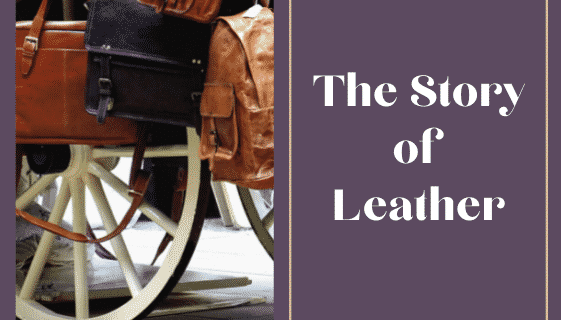
Inseme di pellami colorati con tonalità diverse

Everything you need to know about the world of leather goods

What are the most valuable leathers and how to recognize them


There are different types of leather. The natural product differs depending on the animal, the intended use, the tanning or the type of coloring. It is a fascinating product that has accompanied us, protected us and kept us warm since ancient times. Used in numerous sectors; from design to the automotive industry passing through clothing, leather represents a true art that has been handed down for centuries.  

Why go for leather?

Leather is a noble and natural raw material, mainly used in the production of shoes, furniture, car interiors, clothes and bags. Approximately 500,000 tons of leather are produced each year, the equivalent of about 1.5 billion m².

This material has a technical advantage over alternative materials: one gram of leather has an internal surface area of up to 300 m², its fibers are rich in collagen. 

artigiano che lavora la pelle

Therefore, leather has great resistance to tearing, stretching and bending, is reluctant to age and can absorb up to 30% water without “wetting”.
Can absorb moisture from the inside and direct it to the outside. Insulates against cold and heat. No substitute, no synthetic leather has so many advantages. Especially when it comes to shoes, jackets or gloves, leather clearly offers an unparalleled advantage and comfort.

The variations in leather are amazing, depending on how the dermis is processed we have a different texture and value: Nubuck, velvet, aniline, semi-aniline, pigmented leather, oily leather, suede and more.


Animals


Before talking about the characteristics of the different leathers, let’s review the various types of leather starting from the animal of origin:– Lamb: This is a thin but very resistant leather, protective and insulating, suitable for winter jackets. Loved for its delicacy, given by a smooth and silky surface. Its name is synonymous with quality.

– Sheepskin: Sheepskin has similar characteristics to calfskin but is less noble. The advantage of mutton lies in the fact that its thick wool, gives the leather even more resistance and makes it even warmer. It is therefore ideal for the creation of clothes.

– Cowhide: smooth and thick, cowhide is generally not a leather used for its nobility, we prefer it on rough and masculine jackets, which should naturally improve over time.

Buffalo: a more noble natural grain material than its friend above, buffalo remains relatively expensive and can take many forms. Solid or flexible, depending on its intended use and the treatment used. 

– Crocodile – Aligator: these are undoubtedly the most famous exotic skins. They are expensive, rare and highly sought after by the large clothing industries for making shoes and accessories. 


Le diverse varietà di pelle


– Crust: the crust is a very particular type of leather, as it is not very worked. The tannery does not apply any primer on the leather, in order to reduce chemical treatment to a minimum. This type of leather easily absorbs any type of processing and color, and is particularly used in the clothing and accessories sector.

– Vegetable leather: Today, classic leather is tanned with chrome in particular – the rest of the products is a recipe generally kept secret by the tanneries. However, it is also possible to tan it using natural materials (it is more time-consuming, more expensive and more complicated, but it is possible), so we talk about vegetable tanning. Vegetable tanning is the oldest and most ecological method of treating leather, used for several centuries.– Full-grain leather: Full-grain leather is the most valuable and durable layer of animal skin. This material is the most natural in its class and is unrivaled in quality.

– Sawn grain leather: it is the dermis that has been treated to improve its quality. The benefits are its resistance, nobility and naturalness. Having a product so raw and of such high quality is a guarantee of exceptionality and durability.

 – Nubuck: This is a type of top-grain leather treated in such a way as to give a smooth and velvety feel.

– Suede: A popular type of leather that can be identified by its fuzzy surfaces, suede is commonly made from split leather.

 – Leather split: is the lower part of the leather, the least noble part and the cheapest. It is often used for entry level products of excellent quality.

Now you have all the information you need to improve the quality of your purchases.

Knowing these indications from now on will allow you to distinguish a quality product from one that is defined as such but that is not at all. 

We have always been of the opinion that quality is better than quantity.

14
Ottobre
2021

Diversi tipi di pellami e tonalità

Tutto quello che devi sapere sulla pelle


Quali sono i pellami più pregiati? e come riconoscerli?


Esistono diverse tipologie di pellame. Il prodotto naturale si differenzia a seconda dell’animale, della destinazione d’uso, della concia o del tipo di colorazione. È un prodotto affascinante che ci ha accompagnato, protetto e tenuto al caldo fin dall’antichità. Utilizzato in numerosi settori; dal design all’industria automobilistica passando per l’abbigliamento, il pellame rappresenta una vera e propria arte che si tramanda da secoli.  

Perché puntare sulla pelle?

La pelle è una materia prima nobile e naturale, utilizzata principalmente nella produzione di scarpe, mobili, interni di automobili, vestiti e borse. Ogni anno vengono prodotte circa 500.000 tonnellate di pelle, l’equivalente di circa 1,5 miliardi di m².

Questo materiale possiede un vantaggio tecnico rispetto ai materiali alternativi: un grammo di pelle ha una superficie interna fino a 300 m², le sue fibre sono ricche di collagene. Pertanto, la pelle ha una grande resistenza allo strappo, all’allungamento e alla flessione, è restia all’invecchiamento e può assorbire fino al 30% di acqua senza “bagnare”.

Può assorbire l’umidità dall’interno e dirigerla verso l’esterno. Isola dal freddo e dal caldo. Nessun sostituto, nessuna pelle sintetica ha così tanti pregi. Soprattutto quando si tratta di scarpe, giacche o guanti, la pelle offre chiaramente un vantaggio ed un comfort senza eguali.

artigiano che lavora la pelle

Le varianti in pelle sono sorprendenti, a seconda della lavorazione del derma abbiamo una consistenza ed un valore diverso: Nabuk, velluto, anilina, semi-anilina, pelle pigmentata, pelle grassa, pelli scamosciate e molto altro.


Animali


Prima di parlare delle caratteristiche dei diversi pellami, passiamo in rassegna le varie tipologie di pelle a partire dall’animale di provenienza:– Agnello: Si tratta di un pellame sottile ma molto resistente, protettivo e isolante, indicato per le giacche invernali. Amato per la sua delicatezza, data da una superficie liscia e setosa. Il suo nome è sinonimo di qualità.
– Montone: La pelle di montone possiede delle caratteristiche simili a quelle del vitello ma è comunque meno nobile. Il vantaggio del montone risiede nel fatto che la sua lana spessa, conferisce alla pelle ancora più resistenza e la rende ancora più calda. È quindi ideale per la creazione di vestiti.
Pelle bovina: liscia e spessa, la pelle bovina non è generalmente un pellame utilizzato per la sua nobiltà, la preferiamo su giacche grezze e maschili, che dovrebbero migliorare naturalmente nel tempo.
Il bufalo: materiale a grana naturale più nobile del suo amico qui sopra, il bufalo rimane relativamente costoso e può assumere molte forme. Solido o flessibile, a seconda dell’uso che se ne vuole fare e del trattamento utilizzato.
Coccodrillo – Aligator: queste sono senza dubbio le pelli esotiche più famose. Sono costose, rare e ricercatissime  dalle grandi industrie di abbigliamento per la realizzazione di scarpe ed accessori


Le diverse varietà di pelle


– Crosta: la crosta è un tipo di pelle molto particolare, in quanto poco lavorata. La conceria non applica alcun primer sulla pelle, in modo da ridurre al minimo il trattamento chimico. Questa tipologia di pelle assorbe facilmente ogni tipo di lavorazione e di colore, ed è particolarmente utilizzata nel settore dell’abbigliamento e degli accessori.

Pelle vegetale: oggi la pelle classica viene conciata in particolare al cromo – il resto dei prodotti costituisce una ricetta generalmente tenuta segreta dalle concerie. Tuttavia, è anche possibile conciarla utilizzando materiali naturali (è più lunga, più costosa e più complicata, ma è possibile), si parla quindi di pelle vegetale. La concia al vegetale è il metodo più antico ed ecologico di trattare la pelle, utilizzato da diversi secoli.
Pelle pieno fiore: Il pieno fiore è lo strato più prezioso e resistente della pelle animale. Questo materiale risulta essere il più naturale della sua categoria e non conosce rivali in fatto di qualità.

Pelle fiore segato: è il derma che è stato trattato per migliorarne la qualità. I benefici sono la sua resistenza, la sua nobiltà e la sua naturalità. Avere un prodotto così grezzo e di così alta qualità è una garanzia di eccezionalità e durata.

 – Nabuk: E’ un tipo di pelle top-grain trattata in modo tale da conferire una sensazione liscia e vellutata.
Pelle scamosciata: Un tipo popolare di pelle che può essere identificato dalle sue superfici sfocate, la pelle scamosciata è comunemente realizzata con pelle crosta.

 – Crosta di cuoio: è la parte inferiore della pelle, la parte meno nobile e la più economica. Viene spesso utilizzato per prodotti entry level di ottima qualità.

Adesso hai tutte le informazioni necessarie per migliorare la qualità dei tuoi acquisti.

Conoscere queste indicazioni da ora in avanti ti permetterà di distinguere un prodotto di qualità da uno che si definisce tale ma che non lo è affatto. 

Noi siamo da sempre dell’idea che la qualità sia meglio della quantità.

7
Ottobre
2021

Delle borse in pelle di varie tonalità

The leather goods


Where does the term leather goods come from? Etymology and curiosity about this word


“Leather goods,” a term used in the past to refer to items made of animal skin, now has several linguistic connotations. In today’s era, leather goods mean much more than just leather items.  As the Universal Encyclopedia web dictionary states: the term also includes the company that produces it, the techniques used to make it, the store that sells it, etc.

What do we find in the world of leather goods?
Today, leather goods are not limited to clothing and carpets. There are also shoes, wallets, belts…and especially handbags. It is precisely the latter that are the most sought after on the market, always monopolizing the first place on the podium of fashion trends. A leather bag is a symbol of luxury, elegance, sturdiness and nobility. Several giants of the Fashion Industry are dedicated exclusively to the production and sale of leather bags

So where does this ancient art, which is gaining importance century after century, come from?

The National Center for Textual and Lexical Resources explains that “leather goods” draws its etymology from the word “Moroccan” or “goatskin”. The term and the know-how were transmitted to Europe by the Spanish, a word they learned in turn from the Muslims, the true inventors of the new practice: “marroqun”.

The genesis of the art of leather goods

It is known that the use of animal skins has very ancient roots in human history. The proof was given by archaeological findings on Egyptian soil: furs, shoes, objects of daily use, musical instruments… all made of leather. And that’s not all. The use of animal skin was also a common practice in ancient Greece: knights and fighters used leather leggings and epaulettes to protect themselves during battles.

Until then, leather goods existed, but with discretion: it was a response to basic needs, including that of protection from the cold and from the enemy in battle. 

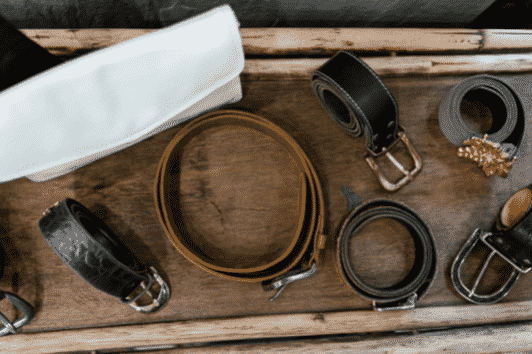
Cinture in pelle di colori diversi

It was only at the beginning of the 12th century that leatherworking began to develop, particularly in Italy and in the Maghreb countries. Leather was used in the production of luxury items, bought and worn exclusively by the bourgeoisie, the only social class that could draw on the high price. Fortunately, nowadays leather goods are accessible to everyone and can be purchased by anyone who wants them. It was only at the beginning of the 12th century that leatherworking began to develop, particularly in Italy and in the Maghreb countries.

The leatherworker: from modest worker to expert craftsman


Initially a leatherworker was a simple worker who barely earned enough to live on. But as time went by, leather goods gained importance, the bourgeoisie and the wealthy population became more and more attracted to this trend, which soon became “art”. Nobles of the Middle Ages decorated their interiors with leather objects, especially with trunks and carpets. This phenomenon continued to grow until the 13th century when demand reached its peak and furs became a real must-have, sought after by the middle class. The furriers then became artisans and their creations became objects of common desire.

Leather goods as fashion and glitz

We arrive at the sixteenth century, where leather goods enter the glorious world of fashion. The art of leatherwork became indispensable and no outfit was complete without a leather accessory. Owning a leather item was a matter of wealth, a reason for pride and irreproachable pride.

From utility to aesthetics

Leather goods, which until then had only satisfied the need for protection from the elements, also became an object of aesthetics. For this reason, a leather bag not only had to allow the transport of objects, but also had to be beautiful and elegant.

The baptism of the art of leather goods

Until then, the art of leatherworking had no real name. It was only in 1835 that it was given the name “leather goods”. From that moment on, the leather goods industry began its successful expansion and in the 19th century saw the emergence of the great luxury leather goods brands. Hermès, Louis Vuitton, Lancel and other fashion houses saw the light of day thanks to the production of fine leather goods and at the beginning of the 20th century they created the most popular leather accessory in the world: the bag.

Leather goods for everyone and for all uses
After its success in the world of fashion, the art in question expands also in the field of Design: more and more sofas, headboards, luxury car seats are made with exclusive and refined leather. Thanks to the hardness of this material it is possible to preserve beauty and uniqueness over time. Because leather is not only color or grain, but also softness, texture, characteristic smell and even art.

Today, leather goods continue to be an emblem of elegance and the highest quality: bags, shoes, gloves and leather accessories are synonymous with innovation and refinement, the result of a tradition of craftsmanship that aims at excellence.

7
Ottobre
2021

Borse in pelle di colori diversi

La pelletteria


Da dove viene il termine pelletteria? Etimologia e curiosità su questa parola

“La pelletteria, un termine usato in passato per indicare gli articoli in pelle animale, ha oggi diverse connotazioni linguistiche. Nell’epoca attuale, pelletteria, significa molto di più del semplice oggetto in pelle. Come afferma il dizionario web dell’Enciclopedia Universale: il termine comprende anche l’azienda che lo produce, le tecniche utilizzate per realizzarlo, il negozio che lo vende, ecc.
Cosa troviamo nel mondo della pelletteria?
Oggi la pelletteria non si limita a vestiti e tappeti. Ci sono anche scarpe, portafogli, cinture… e soprattutto borse. Sono proprio quest’ultime le più ricercate sul mercato, che da sempre monopolizzano il primo posto sul podio delle tendenze moda. Una borsa in pelle è simbolo di lusso, eleganza, robustezza e nobiltà. Diversi giganti della Fashion Industry si dedicano esclusivamente alla produzione e alla vendita di borse in pelle.

Da dove nasce dunque quest’arte antichissima, che sta acquisendo importanza secolo dopo secolo?


Il Centro nazionale per le risorse testuali e lessicali spiega che la “pelletteria” trae la sua etimologia dalla parola “marocchino” o “pelle di capra”. Il termine ed il saper-fare è stato trasmesso in Europa per mezzo degli spagnoli ,vocabolo che hanno appreso, a loro volta dai mussulmani, veri inventori della nuova pratica: “marroqun”.

La genesi dell’arte della pelletteria

È noto che l’uso di pelli di animali ha radici molto antiche nella storia dell’uomo. La prova è stata data dai ritrovamenti archeologici sul suolo egiziano: pellicce, scarpe, oggetti di uso quotidiano, strumenti musicali… tutto in pelle. E non è tutto. L’uso della pelle animale era una pratica comune anche nell’antica Grecia: Cavalieri e combattenti utilizzavano gambali e spalline in pelle per proteggersi durante le battaglie. Fino ad allora la pelletteria esisteva, ma con discrezione: era una risposta a bisogni primari, tra cui quello di protezione dal freddo e dal nemico in battaglia.

Solo all’inizio del XII secolo iniziò a svilupparsi la lavorazione della pelle, in particolare in Italia e nei paesi del Maghreb. La pelle veniva utilizzata nella produzione di articoli di lusso, comprati e indossati esclusivamente dalla borghesia, unica classe sociale che poteva attingere al prezzo così elevato. Fortunatamente, oggigiorno la pelletteria è accessibile a tutti e può essere acquistata da chiunque lo desideri. 

Il pellettiere: dal modesto lavoratore all’esperto artigiano

Inizialmente un pellettiere era un semplice lavoratore che guadagna a malapena per poter vivere. Ma col tempo la pelletteria acquista importanza, la borghesia e la popolazione benestante adescano sempre di più a questa tendenza, che ben presto divenne “arte”. I nobili del Medioevo decoravano i loro interni con oggetti in pelle, soprattutto con bauli e tappeti. Questo fenomeno continuò a crescere fino al XIII secolo quando la domanda raggiunse l’apice e le pellicce divennero un vero e proprio must-have, ricercato dalla classe media. I pellettieri si trasformarono quindi artigiani e le loro creazioni divennero oggetti del desiderio comune.

La pelletteria come moda e sfarzo

Arriviamo al XVI secolo, dove la pelletteria entra nel glorioso mondo della moda. L’ arte pellettiera diventa indispensabile e nessun outfit si dice possa essere completo senza un accessorio in pelle. Possedere un articolo di pelletteria era una questione di ricchezza, un motivo di vanto e di irreprensibile orgoglio.

Cinture in pelle di colori diversi

Dall’utilità all’estetica

La pelletteria, che fino ad allora aveva soddisfatto solo bisogno di protezione dalle intemperie, divenne anche oggetto di estetica. Per questo motivo una borsa in pelle non solo doveva permettere il trasporto di oggetti, ma doveva anche essere bella ed elegante.


Il battesimo dell’Arte della pelletteria


Fino ad allora, l’arte della lavorazione della pelle non aveva un vero e proprio nome. Fu solo nel 1835 che gli fu attribuito il nome di “pelletteria“. Da quel momento l’industria della pelletteria inizia con grande successo la sua espansione e nel XIX secolo vede emergere i grandi marchi di pelletteria di lusso. Hermès, Louis Vuitton, Lancel ed altre case di moda vedono la luce proprio grazie alla produzione di articoli in pelle pregiata e allo scoccare del XX secolo danno vita all’accessorio in pelle più richiesto al mondo: la borsa.

Pelletteria per tutti e per tutti gli usi
Dopo il suo successo nel mondo della moda, l’arte in questione si espande anche nel settore del Design: sempre più divani, testiere, sedili per auto di lusso sono realizzati con pelle esclusiva e ricercata. Grazie alla durezza di questo materiale è possibile preservare nel tempo bellezza ed unicità. Perché la pelle non è solo colore o grana, ma anche morbidezza, consistenza, odore caratteristico e persino arte.

La pelletteria continua oggi ad essere un emblema di eleganza e altissima qualità: borse, scarpe, guanti e accessori in pelle sono sinonimo di innovazione e raffinatezza, risultato di una tradizione artigianale che punta all’eccellenza. 

28
Settembre
2021

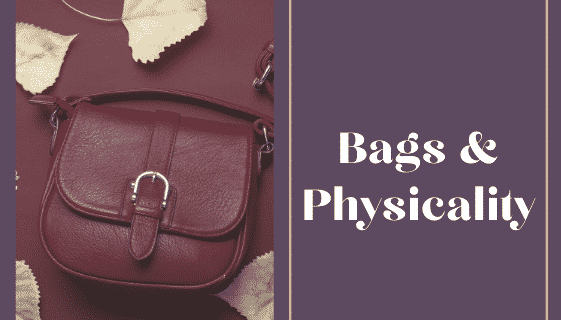
Image of a burgundy bag on background of the same color and yellow leaves

The right bag for your body, discover it here

Bags are a very important accessory for women, and each one has at least one pair in its closet.

Some, on the other hand, have dozens. Indeed, they are objects that can distort simple looks and give an added touch to casual outfits.

In addition to the aesthetics, which makes the bags so appealing and desired, another important factor is their comfort. In fact, practicality and glamour often come together in a single object: the bag

Of course, on the market there are plenty of them, of all colors, materials and sizes. There are the large bags, the mini ones or the middle measures, the shoulder bags, the briefcases or the shoppers, and again, the bags of high craftsmanship and queens, leather, fabric or plastic. I mean, each one her favorite kind of purse.

Right bag for tall women

If you’re lucky enough to be tall, then be already quiet because virtually every bag pattern suits your physique. If you really want to score, try these tips.

With large bags, such as shoppers or even backpacks, you always play it safe, because only a high physicality can be balanced with large bags.

What I said, however, does not mean at all that you cannot wear clutches or mini bags. The latter, in fact, are able to balance the figure, softening the pronounced height and thus softening it.

Bags ideal for small figures

On the contrary, if you are not too tall, there are models of bags that are ideal to look taller.

First of all, for your petite figure the maxi bags are not recommended. The reason is simple, they would risk highlighting your height even more.

borse in pelle di vario colore e forma

For these reasons, oriented on medium or even small bags, which even if they appear less practical, are definitely winning for your physicality.

Bags for plus size

There are also some models of bags that allow us to hide some flaws or even appear leaner and slender.

For example, the maxi bag helps a lot to look slimmer and gives balance to the figure. In fact, especially if you choose a model to wear to the arm, an XL bag will camouflage and make the critical points of a woman look smaller, such as the hips or thighs.

Another model that helps to look leaner is the pointy shaped bag. Although it is unusual and typical of catwalks, nothing prevents you from wearing one every day. These bags, with geometric shapes and sharp angles, help to make the figure seem more tapered.

To slim the figure, which is a great idea when you are a strong size, instead, the ideal bag is a bucket, geometric and rigid that stretches the figure without weighing it down. If you then choose a bucket that develops vertically, the effect of momentum on your silhouette will be evident and assured.

If your problem is wide hips, for example, you should shift your focus to other parts of the body. So choose models of carry bags attached to the shoulder or very short shoulder straps that attract the eye on the top of the body.

Instead, if you have a very large breast, you should avoid the short handles, which risk enlargeing the area of the cleavage even more. In this case, you can opt for bags with long handles or to wear on the forearm. That way the attention will be shifted from your breasts.